Indoor Air Quality Solutions for Shreveport Homes
The air inside your Shreveport home matters more than most homeowners realize. Between humidity, pollen, and the indoor pollutants that accumulate when your home is sealed up for cooling, poor indoor air quality affects comfort, health, and how well your HVAC system performs. Southern Air helps families across northwest Louisiana breathe cleaner air with proven filtration, humidity control, and ventilation solutions designed for this climate.
Why Homeowners Choose Southern Air for Indoor Air Quality
- Honest assessments of what will actually improve your air—no unnecessary add-ons or fear tactics
- Solutions matched to your home’s layout, existing HVAC system, and your family’s specific concerns
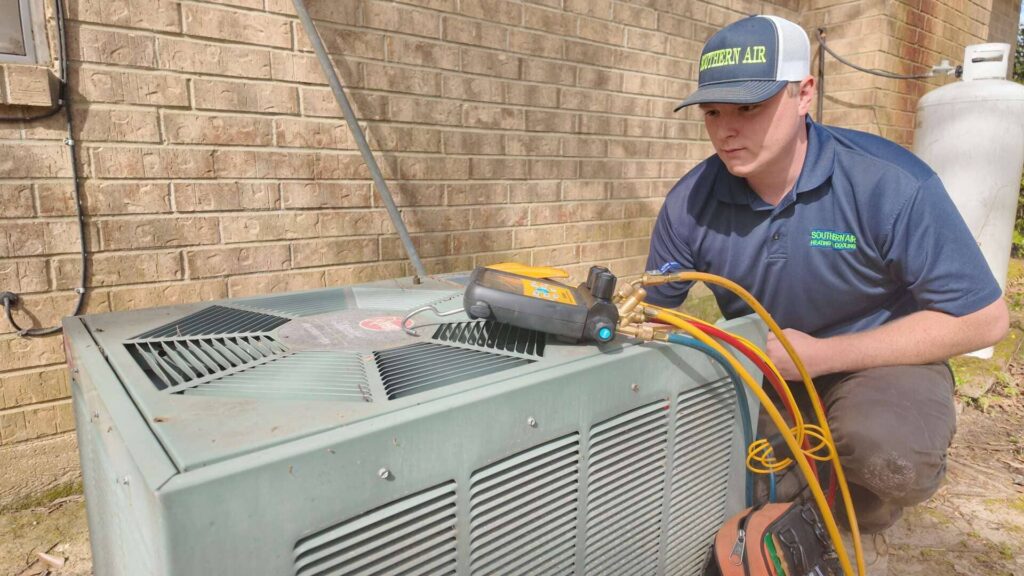
- Professional installation that integrates cleanly with your heating and cooling equipment
- Clear explanations of how each system works and what results you can expect
- Support after installation—we make sure your IAQ equipment continues to perform
- Licensed technicians who understand both HVAC performance and air quality science
- Respect for your home, your schedule, and your budget throughout the process
Why Indoor Air Quality Matters in Shreveport’s Climate
Shreveport’s humid subtropical climate creates specific indoor air challenges that don’t exist in drier or cooler regions. Long, sticky summers mean your home stays sealed and air-conditioned for months at a time. Without proper ventilation or filtration, indoor pollutants—dust, pet dander, cooking particles, off-gassing from furniture and cleaning products—build up with nowhere to go.
High outdoor humidity also brings elevated indoor moisture levels, especially if your air conditioner is oversized or cycling too quickly. When humidity stays above 55–60% indoors, mold spores, dust mites, and musty odors thrive. Many homeowners mistake stale or stuffy air for a cooling problem when the real issue is moisture and poor air circulation.
Pollen counts in northwest Louisiana run high during spring and fall, and outdoor allergens easily enter through leaky ductwork, gaps around doors and windows, or every time someone opens the door. Standard HVAC filters catch large particles but do little against fine dust, smoke, or biological contaminants. If anyone in your household has allergies, asthma, or respiratory sensitivity, the air you’re breathing indoors directly affects symptoms and daily comfort.
Proper indoor air quality solutions—filtration, dehumidification, ventilation, and UV treatment where appropriate—address these challenges at the source. The result is air that feels fresher, fewer allergy triggers, better humidity control, and an HVAC system that doesn’t have to work as hard to maintain comfort.